· Alex Guven · AI · 9 min read
The Evolution of Penetration Testing: From Annual Audits to Continuous Defense
Let’s face it, cybersecurity isn’t what it used to be. With data breaches up 72% in 2023 alone, we can’t afford to treat security like some annual checkbox anymore. What started as a once-a-year compliance thing has transformed into something we need to be doing constantly if we want to stay protected.
Moving Beyond the Annual Security Check-up
Remember when everyone thought an annual penetration test was enough? That only gave us a quick snapshot of security at one specific moment, leaving huge gaps where new vulnerabilities could pop up without anyone noticing. As one SANS Institute analyst put it, doing pen testing “once a year” creates serious security blind spots that just don’t work for businesses that are constantly evolving.
Smart organizations today are embracing continuous testing that focuses on their most critical assets first. Instead of one big annual assessment, companies are spreading smaller tests throughout the year. This lines up with what frameworks like NIST have been telling us all along: security is always changing, so our testing needs to keep up.
The numbers show we’re still figuring this out. In 2022, about 42% of organizations still only ran penetration tests “1-2 times a year,” and just 17% were testing quarterly. But the trend is clear: security leaders are realizing that annual or twice-yearly testing just doesn’t give us enough visibility into what’s really happening.
This risk-based approach lets organizations customize their testing based on what matters most to them. A customer-facing app handling sensitive data might need quarterly testing, while internal systems with less risk might still work fine on an annual schedule. Even compliance frameworks are getting more flexible about this. PCI DSS 4.0 now “emphasizes a dynamic, risk-based approach to security” that lets organizations prioritize testing based on actual risk.
How AI and Automation are Changing the Game
You can’t talk about modern penetration testing without mentioning automation and AI. While humans are still absolutely essential, today’s tools are helping testers work faster and cover more ground than ever before.
Modern pen testers routinely use automated tools to handle the repetitive stuff. One security leader I spoke with said, “Almost all tools used by penetration testers have some automation built in because it just makes testing more efficient.” Things like scanning networks, finding vulnerabilities, and even writing reports can be streamlined, which frees up human experts to tackle the complex stuff that machines can’t figure out.
AI tools are becoming a big deal in this space too. In 2023, we saw researchers start playing with large language models to help write exploit code and analyze applications. According to Cobalt’s latest report, about 75% of security teams have already brought AI tools into their workflow for tasks like reconnaissance, improving scan results, or helping with documentation.
AI is particularly useful for the paperwork side of pen testing, which honestly is often the most time-consuming part. AI assistants can draft findings, suggest fixes, and translate technical jargon into language executives can understand. This lets human testers “spend more time looking for security vulnerabilities” and less time writing reports, which means clients get results faster.
But here’s an interesting twist: AI is also creating brand new security problems that need testing. As companies roll out AI systems like machine learning models and chatbots, we’re seeing new vulnerabilities like prompt injection appear. In fact, we observed these AI-specific flaws in real penetration tests last year. That means testers now need to add AI application testing to their skillset to make sure companies using AI aren’t accidentally creating new security holes.

Bringing Security into the Development Process
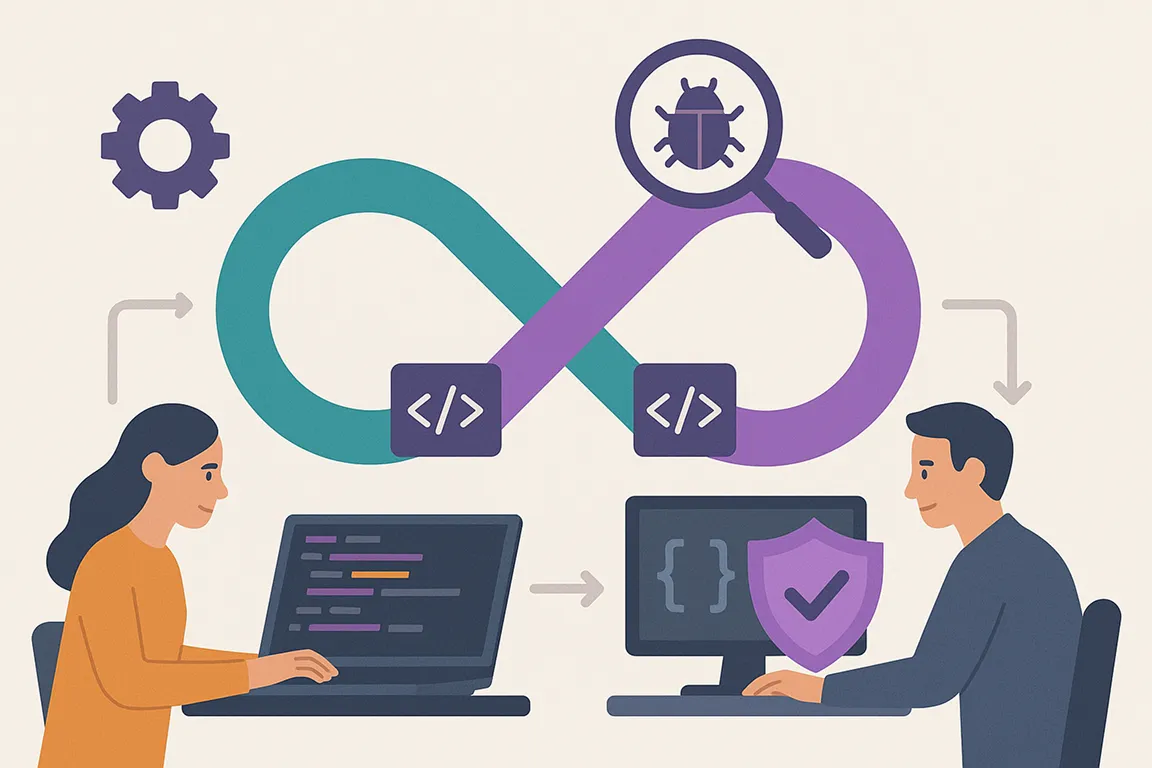
As development has sped up with Agile and DevOps, pen testing has had to adapt too. The old way of testing after a system was already in production just doesn’t cut it anymore. When code is being deployed daily or weekly, we need security testing baked into the development pipeline.
This brings challenges but also huge benefits. Modern development moves so fast that waiting weeks for an external pen test report doesn’t work for each release. By the time you get the report, the app might have changed completely, making some findings irrelevant.
In practice, integrating pen testing into CI/CD means being strategic about automation and timing. You can’t manually test every single code commit, but you can set up security gates in your pipeline. For instance, quick automated scans might run on every build, with deeper pen testing triggered only when high-risk changes are detected. Some testing services now offer “intelligent triggering” that watches for code or asset changes and automatically kicks off targeted tests when needed.
The upside? You catch vulnerabilities early when they’re cheaper and easier to fix, and developers can address issues before code hits production. It also brings security and development teams closer together, creating a culture where security is built in from the start rather than tacked on at the end.
Keeping Track of Your Expanding Digital Footprint
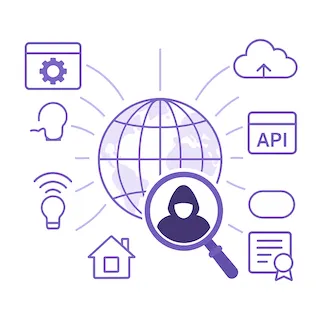
One of the biggest challenges driving changes in penetration testing is how much larger our attack surfaces have become. Between cloud services, IoT devices, remote work, and shadow IT, organizations often don’t even know what internet-facing assets they have. And you can’t protect what you don’t know about! This has led to the rise of External Attack Surface Management (EASM), which is now becoming a core part of penetration testing.
EASM is all about continuously discovering and monitoring everything your organization has exposed to the internet: domains, IPs, cloud services, web apps, APIs, certificates, you name it. It gives you an “outside-in view” that shows what an attacker would see when they look at your company. This is super important now that attack surfaces are growing so quickly. Gartner found that 67% of organizations saw their attack surface expand in just the last two years.
Modern pen testing often starts with mapping out this digital footprint. Rather than just testing what the client tells them to test (which might miss unknown assets), testers use EASM techniques to find everything that’s connected to the target. This follows advice I’ve heard from veteran testers: start with “no scope” reconnaissance to find shadow IT and forgotten systems before defining what to test. As one expert bluntly put it, “Attackers don’t care about your scoped boundaries, they’ll exploit whatever they find.”
EASM tools work around the clock, finding public-facing assets as soon as they appear and adding them to an inventory. If someone in your organization deploys a new cloud database with a public IP, an EASM tool can spot it through port scanning or DNS monitoring, then alert you if it’s exposed or misconfigured. Pen testers using these tools can immediately try to exploit any vulnerable new asset, instead of waiting for the next scheduled test.
Cloud Security Testing is Now Center Stage
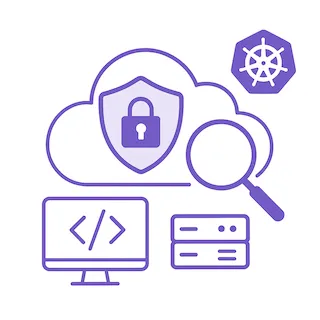
As businesses have moved to the cloud, pen testing has had to evolve for cloud environments. Traditional testing was designed for on-premises infrastructure, but from 2022 to 2025, we’ve seen a massive shift: our critical data and applications now live in AWS, Azure, and Google Cloud; containerized microservices and serverless functions run our production workloads; and infrastructure is defined in code.
The security risks in cloud environments are quite different from traditional setups. Cloud breaches typically come from configuration mistakes or identity/permission issues rather than traditional software vulnerabilities. Studies show that nearly 70% of cloud security breaches happen because of misconfigurations like open storage buckets, overly permissive IAM roles, or databases without password protection. Cloud-focused pen testing looks at any cloud resource that’s exposed when it shouldn’t be or could be exploited to gain higher privileges.
Another big focus in cloud testing is how credentials and access keys are managed. Poor practices here have caused numerous breaches, with weak or stolen credentials identified as the initial way in for 47% of cloud breaches in early 2024. Pen testers regularly simulate these scenarios, using leaked or weak keys to see what systems they can access. A common test is searching public code repositories for cloud API keys that were accidentally committed.
Cloud-native applications also bring new technologies that require specialized testing approaches, like containers, orchestration tools (Docker, Kubernetes), and serverless functions (AWS Lambda, Azure Functions). Testing for container breakouts, Kubernetes cluster compromises, and supply-chain poisoning via images is now part of advanced pen testing playbooks.
Organizations are testing their cloud environments more frequently as awareness of cloud risks grows. Surveys indicate over 80% of organizations experienced some kind of cloud security incident or breach in the past year and a half. Many are now using automated cloud security posture management (CSPM) tools for continuous monitoring of cloud settings, along with cloud-focused pen testing to simulate real attacks that combine multiple vulnerabilities.
What’s Next for Penetration Testing Services
Looking ahead into 2025 and beyond, several trends will keep shaping how pen testing evolves:
- Continuous, risk-based testing will become standard practice, with organizations moving away from annual compliance exercises toward ongoing security validation
- AI and automation will take over more routine testing tasks, letting human experts focus on complex attack scenarios and creative exploitation
- Integration with development workflows will get tighter, with security testing becoming a natural part of the software delivery process
- Attack surface management will be a foundational element of comprehensive security programs, making sure no digital asset goes unmonitored
- Cloud-native security testing will continue growing in importance as organizations embrace more cloud technologies and face cloud-specific threats
The most effective security programs will combine all these approaches into one cohesive strategy, using both automated tools and human expertise to continuously validate security controls. The best penetration testing services will focus on delivering actionable intelligence rather than just lists of vulnerabilities, helping organizations turn technical findings into meaningful risk reduction.
For security leaders, the message is clear: checkbox security is dead. In a world where attackers never rest, your testing shouldn’t either. By embracing modern penetration testing practices that are continuous, risk-based, and intelligence-driven, organizations can build resilience against tomorrow’s threats and stay ahead in the never-ending cybersecurity race.
Generative AI enables faster threat detection, more creative and comprehensive penetration testing, and adaptive incident response. It identifies patterns across large datasets far faster than humans, detecting vulnerabilities and anomalies that may otherwise be missed.
Key concerns include prompt injection attacks, data privacy issues, evolving regulatory compliance demands, and a lack of skilled professionals who understand both AI and security.
Begin by defining clear objectives, integrating AI tools within your existing security framework, and ensuring human oversight is maintained. Partnering with experienced firms like PurpleBox can help tailor AI-driven solutions to your specific risk profile and regulatory environment.